
How to Remember Kanji Easily for Beginners (Proven Methods That Work)
Learning kanji is one of the biggest challenges for Japanese learners, especially for beginners. With thousands of characters and complex shapes, it can feel overwhelming at first. However, the problem is not the kanji itself—it is the way most people try to memorize it.
Many learners rely on rote memorization, which often leads to frustration and forgetting. The good news is that there are much more effective and enjoyable ways to remember kanji. By using the right techniques, you can make kanji easier to learn and retain for the long term.
In this guide, you will discover proven methods to remember kanji easily. These techniques are beginner-friendly and can significantly improve your learning speed.
1. Learn Kanji Through Meaning, Not Just Shape
Instead of memorizing kanji as random symbols, focus on their meaning. Each kanji represents an idea, concept, or object. When you understand the meaning, it becomes easier to remember.
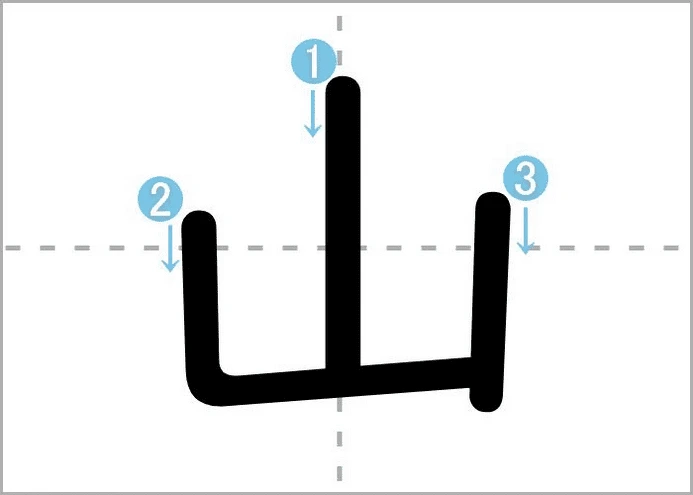
For example, the kanji 山 (やま / yama) means “mountain” and visually resembles a mountain shape. Associating meaning with shape helps your brain retain information more effectively.
2. Use Visual Stories (Mnemonic Method)
One of the most effective ways to remember kanji is by creating simple stories. This technique is known as mnemonic learning.
For example, the kanji 休 (rest) is made of 人 (person) and 木 (tree). You can imagine a person resting under a tree. This visual story makes the kanji much easier to remember.
3. Break Kanji Into Parts (Radicals)
Kanji are often made up of smaller components called radicals. Learning these parts helps you understand and remember complex kanji more easily.
For example, the kanji 明 (bright) combines 日 (sun) and 月 (moon). Together, they create the meaning “bright.”
4. Practice Writing (But Smartly)
Writing kanji is important, but you do not need to write each character hundreds of times. Instead, focus on writing with intention.
Write each kanji a few times while saying its meaning and reading aloud. This activates multiple memory pathways and improves retention.
5. Learn Kanji in Context (Words & Sentences)
Memorizing kanji alone is less effective than learning them in context. Study kanji as part of vocabulary or simple sentences.
For example, instead of learning 食 (eat) alone, learn 食べる (to eat). This helps you understand real usage.
6. Use Spaced Repetition (SRS)
Spaced repetition is one of the most powerful learning techniques. It involves reviewing kanji at increasing intervals to strengthen memory.
Apps like Anki or flashcards can help you apply this method effectively.
7. Focus on High-Frequency Kanji First
Not all kanji are equally important. Start with commonly used kanji that appear in everyday life. This gives you faster results and keeps you motivated.
You can explore our most common kanji list to begin.
8. Be Consistent, Not Perfect
Consistency is the key to mastering kanji. Even learning 5–10 kanji per day can lead to significant progress over time.
Do not worry about forgetting—reviewing is part of the learning process.
Remembering kanji does not have to be difficult. By using techniques such as visual stories, radicals, and spaced repetition, you can make the process much easier and more enjoyable.
Start small, stay consistent, and focus on understanding rather than memorizing blindly.
To continue your learning journey, check our basic kanji list and simple kanji words.