
Rice Kanji (米・ご飯): Meaning, Reading, and Common Examples
Rice is one of the most important elements in Japanese culture and daily life. It is not just a staple food, but also a symbol of tradition, nourishment, and community. Because of this, rice appears frequently in Japanese language, especially in kanji.
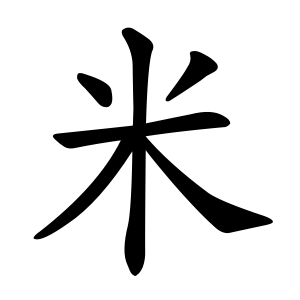
There are two main kanji you will encounter when learning about rice in Japanese: 米 (kome) and 飯 (han or meshi). Each has a slightly different meaning and usage depending on context.
Understanding these kanji will help you read menus, understand daily conversations, and recognize common food-related vocabulary.
Below is a list of rice-related kanji and words that are commonly used in everyday Japanese.
| Kanji | Reading | English | Indonesian |
|---|---|---|---|
米 | こめ (kome) | uncooked rice | beras |
ご飯 | ごはん (gohan) | cooked rice/meal | nasi/makanan |
白米 | はくまい (hakumai) | white rice | beras putih |
玄米 | げんまい (genmai) | brown rice | beras merah |
新米 | しんまい (shinmai) | new rice | beras baru |
古米 | こまい (komai) | old rice | beras lama |
米国 | べいこく (beikoku) | United States | Amerika Serikat |
米屋 | こめや (komeya) | rice shop | toko beras |
米粉 | こめこ (komeko) | rice flour | tepung beras |
米粒 | こめつぶ (kometsubu) | grain of rice | butir beras |
炊飯 | すいはん (suihan) | cook rice | memasak nasi |
炊飯器 | すいはんき (suihanki) | rice cooker | penanak nasi |
朝ご飯 | あさごはん (asagohan) | breakfast | sarapan |
昼ご飯 | ひるごはん (hirugohan) | lunch | makan siang |
晩ご飯 | ばんごはん (bangohan) | dinner | makan malam |
大盛ご飯 | おおもりごはん (oomori gohan) | large rice portion | nasi porsi besar |
少なめご飯 | すくなめごはん (sukuname gohan) | small rice portion | nasi sedikit |
おにぎり | おにぎり (onigiri) | rice ball | nasi kepal |
寿司飯 | すしめし (sushimeshi) | sushi rice | nasi sushi |
丼飯 | どんぶりめし (donburimeshi) | rice bowl meal | nasi mangkuk |
Difference Between 米 and ご飯
The kanji 米 (kome) refers to uncooked rice, while ご飯 (gohan) refers to cooked rice or a meal in general. This distinction is very important in Japanese.
For example, when you buy rice from a store, it is called 米. When you eat it, it becomes ご飯.
Why Rice Kanji is Important
Rice is deeply connected to Japanese culture, so these kanji appear frequently in daily life. Learning them will help you understand menus, conversations, and cultural references.
To continue learning, explore our food kanji list, kanji for travel, and kanji meaning guide.