
Dragon Kanji (竜・龍): Meaning, Symbolism, and Usage in Japanese
The dragon is one of the most powerful and symbolic creatures in Japanese culture. Unlike Western dragons, which are often seen as dangerous or destructive, Japanese dragons represent wisdom, strength, protection, and good fortune.
In Japanese writing, there are two common kanji used for dragon: 竜 (ryuu) and 龍 (ryuu). Both have the same meaning, but they differ in complexity and usage.
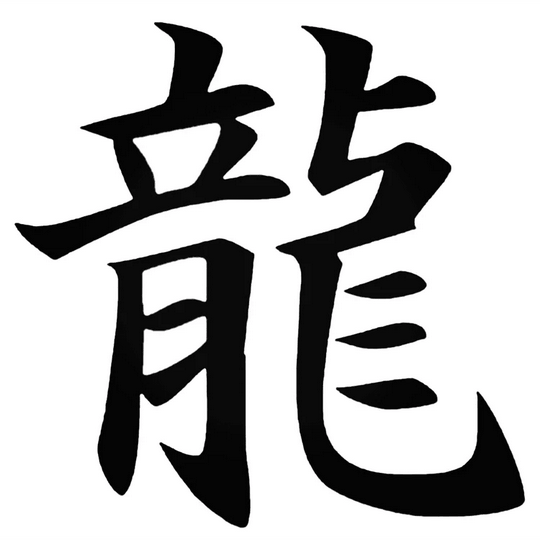
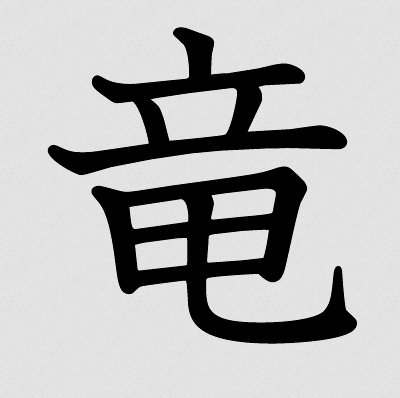
The simpler form, 竜, is commonly used in modern Japanese writing. The traditional form, 龍, is more complex and is often used in art, calligraphy, tattoos, and traditional contexts.
Understanding these kanji will help you recognize their meaning in names, designs, and cultural references.
| Kanji | Reading | English | Indonesian |
|---|---|---|---|
竜 | りゅう (ryuu) | dragon (modern) | naga (modern) |
龍 | りゅう (ryuu) | dragon (traditional) | naga (tradisional) |
青竜 | せいりゅう (seiryuu) | blue dragon | naga biru |
白竜 | はくりゅう (hakuryuu) | white dragon | naga putih |
黒竜 | こくりゅう (kokuryuu) | black dragon | naga hitam |
金竜 | きんりゅう (kinryuu) | gold dragon | naga emas |
龍神 | りゅうじん (ryuujin) | dragon god | dewa naga |
龍王 | りゅうおう (ryuuou) | dragon king | raja naga |
昇竜 | しょうりゅう (shouryuu) | rising dragon | naga naik |
降竜 | こうりゅう (kouryuu) | descending dragon | naga turun |
龍虎 | りゅうこ (ryuuko) | dragon and tiger | naga dan harimau |
飛竜 | ひりゅう (hiryuu) | flying dragon | naga terbang |
水竜 | すいりゅう (suiryuu) | water dragon | naga air |
火竜 | かりゅう (karyuu) | fire dragon | naga api |
風竜 | ふうりゅう (fuuryuu) | wind dragon | naga angin |
Symbolism of Dragon in Japanese Culture
In Japanese mythology, dragons are often associated with water, rain, and the sea. They are considered protectors and bringers of good fortune.
Unlike Western dragons, they are rarely seen as evil. Instead, they represent balance, wisdom, and natural power.
Which Dragon Kanji Should You Use?
If you are learning Japanese, the simpler kanji 竜 is more commonly used in daily writing. However, if you are interested in tattoos, art, or traditional aesthetics, 龍 is often preferred because of its detailed and powerful appearance.
Both kanji have the same meaning, so your choice depends on context and style.
To continue learning, check our kawaii kanji, samurai kanji, and kanji for love.