
Kanji for Love (愛): Meaning, Usage, and Examples in Japanese
The kanji for love in Japanese is one of the most popular and meaningful characters you can learn. Whether you are studying Japanese, looking for tattoo ideas, or simply interested in Japanese culture, the kanji 愛 (ai) is a powerful symbol.
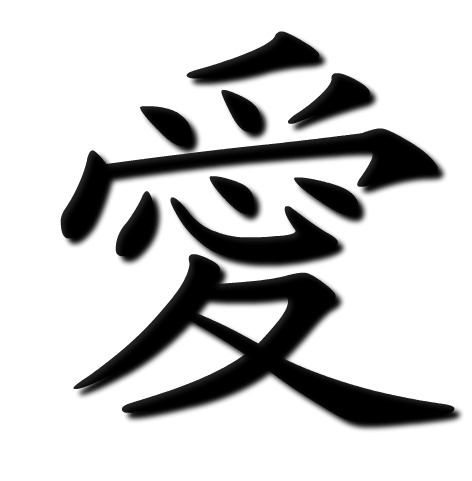
In Japanese, 愛 represents deep affection, emotional connection, and unconditional love. It is often used to express strong feelings toward people, family, partners, and even passions.
Unlike lighter words such as “like” (好き), 愛 carries a deeper and more serious meaning. Because of this, it is not always used casually in daily conversation, but it appears frequently in literature, music, and meaningful expressions.
Understanding how this kanji is used in real life will help you appreciate its true meaning and avoid using it incorrectly.
| Kanji | Reading | English | Indonesian |
|---|---|---|---|
愛 | あい (ai) | love | cinta |
愛する | あいする (aisuru) | to love | mencintai |
愛情 | あいじょう (aijou) | affection | kasih sayang |
恋愛 | れんあい (renai) | romantic love | cinta romantis |
愛人 | あいじん (aijin) | lover | kekasih |
愛用 | あいよう (aiyou) | favorite/use regularly | favorit |
愛犬 | あいけん (aiken) | beloved dog | anjing kesayangan |
愛国 | あいこく (aikoku) | love of country | cinta tanah air |
無愛想 | ぶあいそう (buaisou) | unfriendly | tidak ramah |
愛好 | あいこう (aikou) | preference | kegemaran |
Difference Between 愛 (Ai) and 好き (Suki)
One of the most important things to understand is the difference between 愛 (ai) and 好き (suki). While both can be translated as “love,” they are used very differently.
好き (suki) is commonly used in daily conversation and can mean “like” or “love” depending on the context. On the other hand, 愛 (ai) expresses deep, serious, and emotional love.
Because of this, using 愛 in casual conversation can sound too strong or even unnatural. Native speakers usually prefer 好き in everyday situations.
However, 愛 is often used in meaningful contexts such as literature, songs, and tattoos because of its strong emotional impact.
Why 愛 Kanji is Popular for Tattoos
The kanji 愛 is widely used in tattoos because it represents a universal concept that transcends language barriers. It is simple, visually balanced, and carries deep meaning.
However, if you are considering using it as a tattoo, make sure you understand its meaning and cultural context to avoid misuse.
To continue learning kanji, check our kanji meaning guide, kanji for travel, and food kanji list.