
Fire Kanji (火): Meaning, Reading, and Common Examples
The kanji for fire, 火 (hi), is one of the most basic and important characters in Japanese. It represents fire as an element, but it also carries meanings related to energy, passion, heat, and transformation.
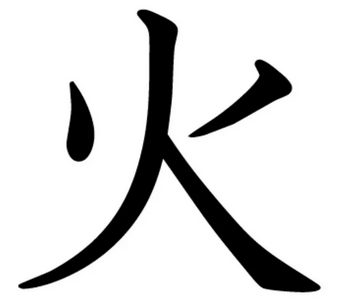
Fire plays an important role in Japanese culture, from traditional festivals to daily life. Because of this, the kanji 火 appears in many common words and expressions.
For beginners, learning 火 is essential because it is frequently used and also appears as a component in many other kanji.
Below is a list of fire-related kanji and vocabulary that are commonly used in Japanese.
| Kanji | Reading | English | Indonesian |
|---|---|---|---|
火 | ひ (hi) | fire | api |
火曜日 | かようび (kayoubi) | Tuesday | Selasa |
火山 | かざん (kazan) | volcano | gunung berapi |
火事 | かじ (kaji) | fire accident | kebakaran |
火力 | かりょく (karyoku) | firepower | daya api |
火炎 | かえん (kaen) | flame | nyala api |
火花 | ひばな (hibana) | spark | percikan api |
花火 | はなび (hanabi) | fireworks | kembang api |
火傷 | やけど (yakedo) | burn | luka bakar |
火種 | ひだね (hidane) | ember | bara api |
点火 | てんか (tenka) | ignite | menyalakan |
消火 | しょうか (shouka) | extinguish fire | memadamkan api |
火口 | かこう (kakou) | crater | kawah |
火災 | かさい (kasai) | fire disaster | bencana kebakaran |
火力発電 | かりょくはつでん (karyoku hatsuden) | thermal power | pembangkit listrik tenaga panas |
火柱 | ひばしら (hibashira) | pillar of fire | pilar api |
火影 | ほかげ (hokage) | fire shadow | bayangan api |
火光 | かこう (kakou) | firelight | cahaya api |
火炎瓶 | かえんびん (kaenbin) | molotov cocktail | bom api |
火の粉 | ひのこ (hinoko) | sparks | percikan api |
Why Fire Kanji is Important
The kanji 火 is widely used in everyday life, from days of the week to natural phenomena. It is also a fundamental kanji that appears in many compound words.
Fire Kanji as a Radical
The fire radical (灬) often appears at the bottom of kanji related to heat or energy. Recognizing this can help you understand new kanji more easily.
To continue learning, explore our water kanji, rice kanji, and number kanji.