
Water Kanji (水): Meaning, Reading, and Common Examples
The kanji for water, 水 (mizu), is one of the most fundamental and commonly used characters in Japanese. It represents not only water as a physical element but also concepts such as flow, purity, and life.
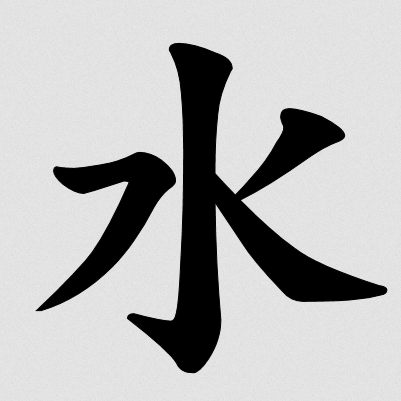
Because water is essential in daily life, this kanji appears in many common words, signs, and expressions. Learning 水 is an important step for beginners who want to understand basic Japanese vocabulary.
In addition, 水 is also used as a radical in many other kanji, which makes it even more useful to recognize.
Below is a list of water-related kanji and vocabulary that you will often encounter in Japanese.
| Kanji | Reading | English | Indonesian |
|---|---|---|---|
水 | みず (mizu) | water | air |
水道 | すいどう (suidou) | water supply | air (saluran air) |
水曜日 | すいようび (suiyoubi) | Wednesday | Rabu |
水分 | すいぶん (suibun) | moisture | kadar air |
水泳 | すいえい (suiei) | swimming | berenang |
海水 | かいすい (kaisui) | seawater | air laut |
飲水 | いんすい (insui) | drinking water | air minum |
水色 | みずいろ (mizuiro) | light blue | biru muda |
雨水 | あまみず (amamizu) | rainwater | air hujan |
地下水 | ちかすい (chikasui) | groundwater | air tanah |
水族館 | すいぞくかん (suizokukan) | aquarium | akuarium |
水流 | すいりゅう (suiryuu) | water flow | aliran air |
水面 | すいめん (suimen) | water surface | permukaan air |
水深 | すいしん (suishin) | water depth | kedalaman air |
水温 | すいおん (suion) | water temperature | suhu air |
水滴 | すいてき (suiteki) | water droplet | tetes air |
水圧 | すいあつ (suiatsu) | water pressure | tekanan air |
水車 | すいしゃ (suisha) | water wheel | kincir air |
水辺 | みずべ (mizube) | waterside | tepi air |
水上 | すいじょう (suijou) | on water | di atas air |
Why Water Kanji is Important
The kanji 水 is used in many everyday situations, from drinking water to natural environments. It also appears as a component in many other kanji, making it an essential building block for learning Japanese.
Water Kanji as a Radical
In many kanji, the water radical (氵) appears on the left side and indicates a connection to water or liquids. Recognizing this pattern can help you guess meanings of unfamiliar kanji.
To continue learning, explore our fire kanji, rice kanji, and number kanji.