
Kaizen Kanji (改善): Meaning, Breakdown, and Japanese Philosophy
Kaizen is a well-known Japanese concept that means “continuous improvement.” It is widely used in business, personal development, and productivity systems around the world.
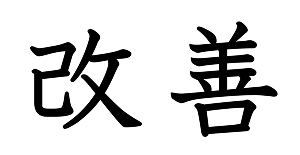
The word Kaizen is written using two kanji: 改 (kai) and 善 (zen). Each kanji carries its own meaning, and together they form a powerful philosophy.
Understanding the kanji behind Kaizen helps you see why this concept is so effective and widely respected.
Below is a breakdown of Kaizen kanji along with related words and meanings.
| Kanji | Reading | English | Indonesian |
|---|---|---|---|
改善 | かいぜん (kaizen) | continuous improvement | perbaikan berkelanjutan |
改 | かい (kai) | change / improve | mengubah |
善 | ぜん (zen) | good / virtue | kebaikan |
改良 | かいりょう (kairyō) | improvement | peningkatan |
改革 | かいかく (kaikaku) | reform | reformasi |
改正 | かいせい (kaisei) | revision | revisi |
改善策 | かいぜんさく (kaizensaku) | improvement plan | strategi perbaikan |
善意 | ぜんい (zeni) | goodwill | niat baik |
善悪 | ぜんあく (zenaku) | good and evil | baik dan buruk |
最善 | さいぜん (saizen) | best | terbaik |
Meaning of Kaizen Philosophy
Kaizen is more than just a word—it is a mindset. It focuses on making small, consistent improvements over time instead of drastic changes.
This philosophy is widely used in Japanese companies to improve efficiency and quality. However, it can also be applied to personal growth, learning, and daily habits.
Why Kaizen is Powerful
The power of Kaizen lies in consistency. Small improvements made every day can lead to significant long-term results.
This is why Kaizen is popular not only in Japan but also around the world in business, fitness, and self-development.
Applying Kaizen in Daily Life
You can apply Kaizen by focusing on small steps. Instead of trying to change everything at once, improve one thing at a time.
Over time, these small changes will create meaningful progress.
To continue learning, explore our kanji for love, samurai kanji, and kanji meaning guide.